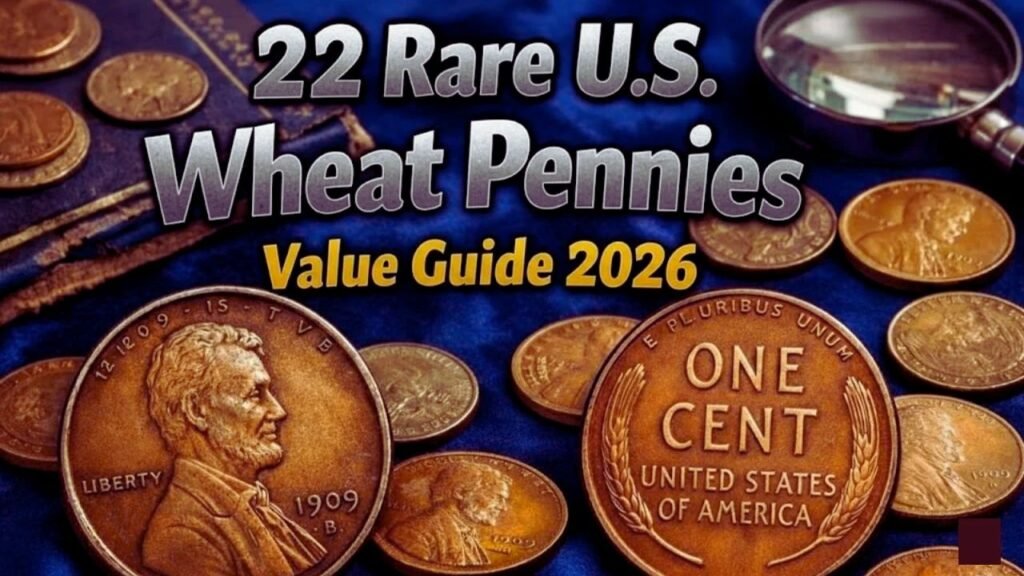
Lincoln Wheat Pennies, minted from 1909 to 1958, continue to captivate collectors in 2026 with their blend of history, design, and occasional jaw-dropping rarity. While most common dates trade for just a few cents to a couple of dollars, certain key dates, low-mintage issues, and dramatic errors command serious money from serious buyers. Recent auction trends show strong demand for high-grade examples, pushing values higher for the top rarities. This guide spotlights 22 of the most sought-after varieties that enthusiasts are actively pursuing right now.
What Makes a Wheat Penny Valuable in 2026
Several factors drive prices today. Rarity tops the list low production numbers or surviving examples make a huge difference. Condition matters even more; coins graded by services like PCGS or NGC in mint state often fetch multiples of circulated pieces. Mint errors, such as wrong planchets or doubled dies, create instant excitement. Historical context, like the wartime steel cents or the famous designer initials, adds appeal.
Collectors focus on these elements when hunting:
- Key dates with tiny mintages from San Francisco or Denver
- Major errors like off-metal strikes or dramatic doubling
- High-grade red or red-brown examples that retain original luster
- Pieces with strong provenance or fresh-to-market status
The Ultra-Rare Errors Leading the Market
Error coins dominate headlines in 2026, especially the legendary 1943 bronze (copper) cents struck during steel production. These accidental copper planchet strikes remain among the most valuable U.S. coins ever. Other off-metal errors from the era, like 1944 steel cents, also draw big bids.
High-profile sales include specimens approaching or exceeding six figures, with some reports citing peaks near $2 million for the finest 1943-D bronze examples. The 1955 doubled die obverse stays a collector favorite for its bold, visible doubling on the date and lettering.
Key Date and Low-Mintage Standouts
Beyond errors, certain regular-issue dates with limited production command premiums. The 1909-S VDB, bearing designer Victor David Brenner’s initials, holds iconic status as the first-year issue with low San Francisco output. The 1914-D and 1922 plain (no D) follow closely due to scarcity and collector demand.
Other notable low-mintage pieces include the 1931-S and various early San Francisco issues. Values climb sharply in uncirculated grades, where sharp details and original color boost appeal.
Here are some standout key dates and their approximate 2026 value ranges in high grades:
- 1909-S VDB: $50,000 to $250,000+
- 1914-D: $20,000 to $150,000
- 1922 No D: $10,000 to $200,000
- 1931-S: $5,000 to $75,000
More Sought-After Varieties Collectors Target
Beyond the top-tier rarities, dozens of other dates and minor varieties draw steady interest. Doubled dies from various years, repunched mint marks, and overdates add layers to collections. Circulated examples of scarcer dates still sell well above face value, making them accessible entry points.
The market rewards patience—many of these coins surface in old collections, rolls, or estate finds. Authentication remains crucial to separate genuine pieces from alterations.
Tips for Checking Your Own Coins
Start by examining dates from 1909 to 1958 for wheat stalks on the reverse. Look closely at mint marks (S for San Francisco, D for Denver, none for Philadelphia). Check for obvious errors like doubling on the date or motto. Steel 1943 cents stick to a magnet, while true bronze ones do not.
For potential big finds, professional grading offers the best path to maximum value. Current trends suggest the market stays hot, especially for authenticated rarities in top condition.
Wheat Pennies prove that small change can hold big stories—and bigger payoffs. Whether you’re a longtime collector or just starting to sort through jars of old coins, these 22 varieties represent the ones buyers chase most aggressively in 2026.
FAQs
What is the most valuable Wheat Penny right now?
The 1943 bronze (copper) cents lead, with top examples selling for hundreds of thousands to over $2 million depending on mint mark and grade.
Are all 1943 Wheat Pennies valuable?
No—most 1943 cents are steel and worth only a few dollars. Only the rare bronze errors fetch high prices.
How can I tell if my Wheat Penny is rare?
Check the date, mint mark, and for errors like doubling or wrong metal. Compare to guides or get it authenticated by PCGS or NGC.
Do Wheat Pennies keep going up in value?
High-grade rarities and key dates have shown steady appreciation, driven by collector demand and limited supply.
Where should I sell a valuable Wheat Penny?
Reputable auction houses, major dealers, or certified online platforms offer the best results for authenticated pieces. Always start with grading for maximum return.