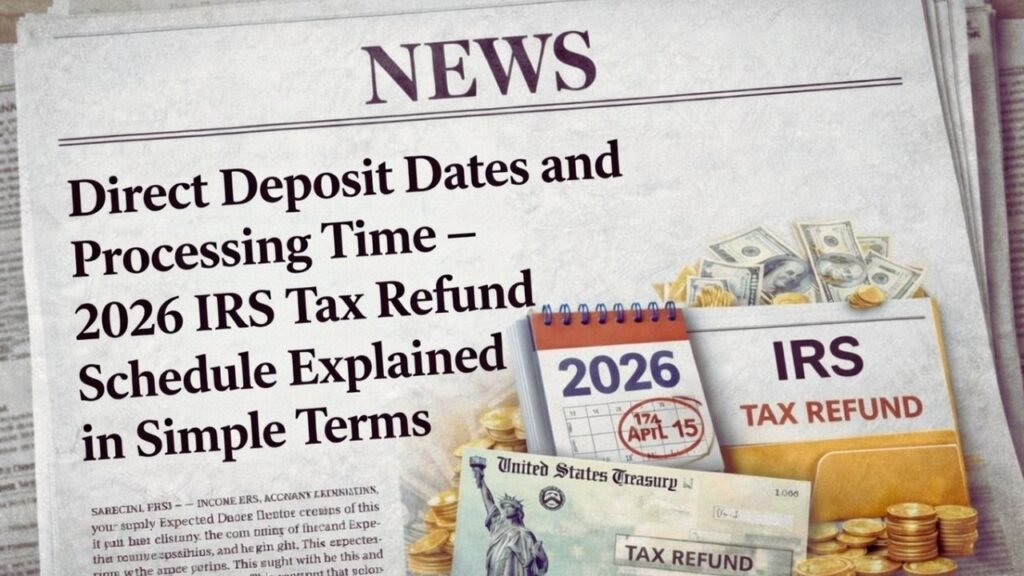
The 2026 tax filing season kicked off on January 26, with the IRS accepting electronic returns and issuing refunds faster than ever for most people who choose direct deposit. Thanks to recent changes, paper checks are largely phased out, making direct deposit the standard way to get your money quickly. Understanding the typical timeline helps set realistic expectations and avoid unnecessary worry.
Standard Processing Time for Direct Deposit Refunds
The IRS states that most refunds are issued within 21 days of accepting your return. For electronic filings with direct deposit, many arrive even sooner—often in 10 to 21 days. This timeframe starts from the date the IRS accepts your e-filed return, not the day you submit it.
Paper returns take longer, usually several weeks just to enter into the system, pushing total wait times to six weeks or more. Direct deposit remains the fastest option, and with paper checks mostly eliminated, providing accurate bank details upfront is essential.
Some returns face extra review, such as those claiming the Earned Income Tax Credit (EITC) or Additional Child Tax Credit (ACTC). Under the PATH Act, these refunds cannot be issued before mid-February, with most becoming available by early March.
Estimated Direct Deposit Arrival Dates
The IRS processes refunds on a rolling basis, often batching them weekly. If your return gets accepted early in the season, expect your money sooner. Here are approximate dates based on when the IRS accepts an e-filed return:
- Accepted by January 26, 2026: Refund as early as February 6 to mid-February
- Accepted by February 9: Around February 20 to late February
- Accepted by February 23: Early to mid-March
- Accepted by March 9: Late March
- Accepted by March 23: Early April
These are estimates—actual arrival depends on your bank’s processing speed, which can add a day or two. For EITC/ACTC claims, expect funds no earlier than February 18-20, with most hitting accounts by March 2.
New Rules Affecting Direct Deposit in 2026
This year brought important updates to how the IRS handles direct deposit issues. If your return lacks bank information or has invalid details, the refund gets temporarily frozen until you update it online or request other arrangements. Rejected deposits no longer auto-convert to paper checks; instead, the IRS freezes them, giving you about 30 days to fix the problem.
If no action is taken, a paper check may eventually arrive after six weeks. To avoid delays, double-check your routing and account numbers before submitting your return.
Here are key tips to speed things up:
- File electronically for quickest acceptance and processing
- Choose direct deposit and verify your banking details carefully
- Use the IRS Where’s My Refund? tool starting 24 hours after e-filing
- Avoid claiming credits that trigger PATH holds if you need money sooner
How to Track Your Refund Status
The easiest way to stay updated is through the IRS Where’s My Refund? tool on their website. You’ll need your Social Security number, filing status, and exact refund amount from your return. Status updates appear about 24 hours after e-filing, with daily overnight refreshes.
The tool shows stages like “Return Received,” “Refund Approved,” and projected deposit dates for many cases. If your return needs more review, you’ll get a notice by mail explaining next steps.
For straightforward returns without issues, patience usually pays off within the 21-day window. Complex situations or errors can extend the process, but most people see their funds arrive smoothly.
Staying informed and filing accurately makes the experience much easier. Direct deposit in 2026 offers one of the quickest paths to your refund money.
FAQs
How long does it usually take to get a tax refund by direct deposit in 2026?
Most refunds arrive within 21 days of IRS acceptance, often faster—sometimes as early as 10 business days—for e-filed returns with direct deposit.
When does the 2026 tax filing season start, and when can I expect the first refunds?
Filing opened January 26, 2026. Early filers who e-file and choose direct deposit may see refunds starting in early to mid-February.
What if my return claims EITC or ACTC—when will I get my refund?
These refunds face a PATH Act hold and cannot be issued before mid-February, with most available by March 2, 2026.
What happens if my direct deposit info is wrong?
The IRS freezes the refund and notifies you. You have about 30 days to update via your IRS online account, or a paper check may be sent after six weeks.
How do I check my refund status?
Use the Where’s My Refund? tool on IRS.gov with your SSN, filing status, and refund amount. It updates daily and shows expected deposit dates for many returns.