The Plymouth Barracuda, a name that once defined raw American muscle, has sparked massive excitement with rumors of a dramatic 2026 revival. What started as whispers online has exploded into widespread speculation about a modern rebirth of the iconic pony car. Yet the reality behind the hype proves far more surprising than the classic V8 thunder most fans imagined.
The Legacy That Never Quite Faded
Plymouth discontinued the Barracuda after the 1974 model year, and the entire brand shuttered in 2001 under DaimlerChrysler. For decades, the ‘Cuda name lived on mainly through collector circles, where pristine examples of the 1970-1974 E-body models command six-figure prices at auctions. Enthusiasts have long dreamed of seeing the badge return, especially as Dodge has kept the muscle flame alive with Challengers and Chargers.
Recent years brought fresh hope when Stellantis, the parent company, shifted strategies in the performance space. Some speculated the Barracuda could reemerge as a spiritual successor or even a new model under the Plymouth banner. Online buzz peaked with eye-catching renders and concept-like videos circulating on social media and YouTube.
Why This Revival Looks So Different
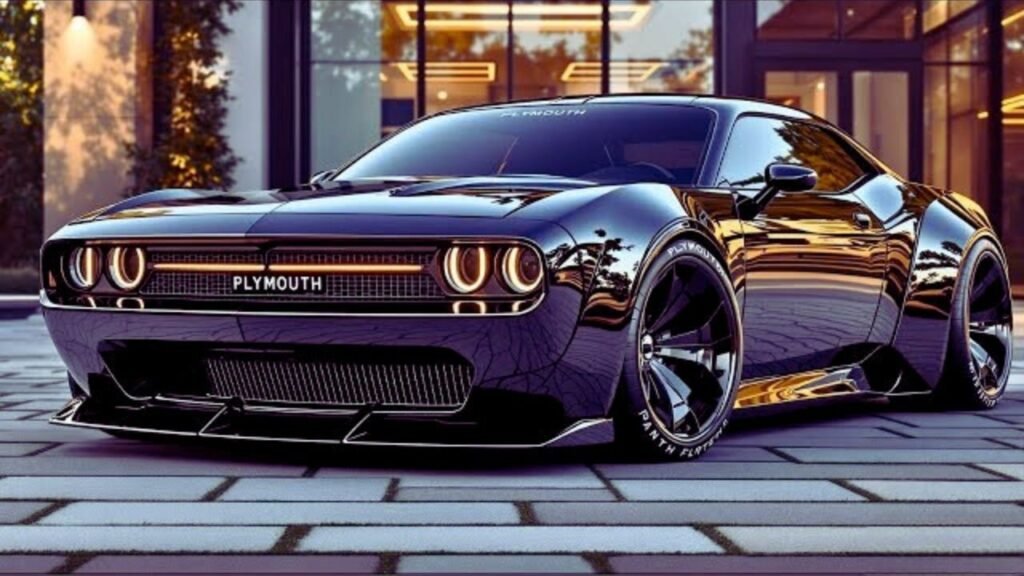
The images and descriptions flooding the internet show a car that borrows heavily from retro cues—long hoods, aggressive grilles, and fastback profiles—yet mixes in sharp LED lighting, aerodynamic sculpting, and high-tech interiors. Many depictions feature widebody stances reminiscent of modern Challengers, but with unique twists like illuminated accents and sleeker proportions.
Powertrain talk has shifted dramatically too. While classic fans expected a naturally aspirated or supercharged HEMI V8 roaring past 700 horsepower, much of the conversation now includes hybrid systems, twin-turbo setups, or even full electric variants. These ideas align with industry pushes toward electrification while trying to preserve the visceral feel of muscle cars.
- Aggressive front fascia with slim LED headlights and a bold grille echoing 1970s designs
- Sculpted side profiles blending classic fastback lines with contemporary aerodynamics
- Interior concepts featuring digital gauges, premium materials, and modern infotainment screens
- Potential power options ranging from high-output gas engines to hybrid-assisted setups for instant torque
The Truth Behind the Hype
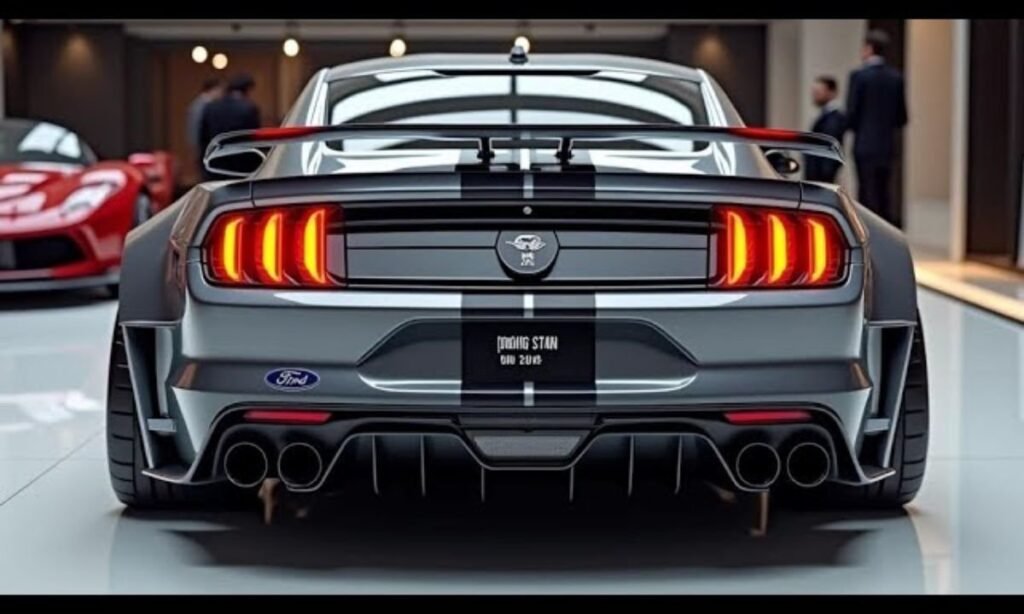
Reliable automotive reporting has consistently pointed out one key detail: no official announcement has come from Stellantis confirming a 2026 Plymouth Barracuda. The brand remains dormant, and current muscle efforts focus on Dodge models like the electric Charger Daytona and gas-powered variants. Many of the viral images and videos rely on AI generation or heavy photo editing, often starting from existing Challenger designs.
Forums and enthusiast sites have called out inconsistencies—changing exhaust tips, varying interiors across clips, and mismatched details that scream concept fantasy rather than production reality. Without press releases, trademarks filed specifically for production, or spy shots of prototypes, the revival stays firmly in rumor territory.
What It Could Mean for Muscle Car Fans
If a Barracuda did return, it would face a crowded field of high-performance coupes and sedans pushing boundaries in power, technology, and efficiency. A hybrid or electric version might appeal to younger buyers while honoring heritage through styling nods. Traditionalists, however, might see it as straying too far from the pure, tire-shredding spirit of the originals.
The conversation itself highlights ongoing demand for American icons to evolve rather than disappear. Whether or not Plymouth dusts off the nameplate, the passion for cars like the Barracuda keeps the muscle era alive in discussions, custom builds, and restoration projects.
In the end, the 2026 Barracuda exists vividly in imaginations and online creations, proving the legend still holds power—even if the keys to a real one remain out of reach for now. The surprise isn’t in a straightforward comeback; it’s in how fiercely the idea refuses to fade.
FAQs
Is the 2026 Plymouth Barracuda officially confirmed by Stellantis?
No official confirmation has been made. All current information stems from rumors, fan concepts, and AI-generated content rather than company announcements.
Why does the new Barracuda look so modern and different from the classics?
Most visuals come from speculative designs aiming to blend 1970s styling cues with today’s aerodynamics, lighting tech, and electrification trends.
What kind of engine would a revived Barracuda likely have?
Rumors mention everything from supercharged V8s to hybrid or electric powertrains, reflecting broader industry shifts toward performance with efficiency.
Could Plymouth really make a comeback as a brand?
Plymouth has been inactive since 2001, and Stellantis has focused muscle efforts under Dodge, making a full brand revival unlikely without major strategy changes.
Where is all this 2026 Barracuda buzz coming from?
It largely originates from YouTube videos, social media posts, and enthusiast forums sharing renders, many of which use AI tools to create realistic-looking but unofficial concepts.