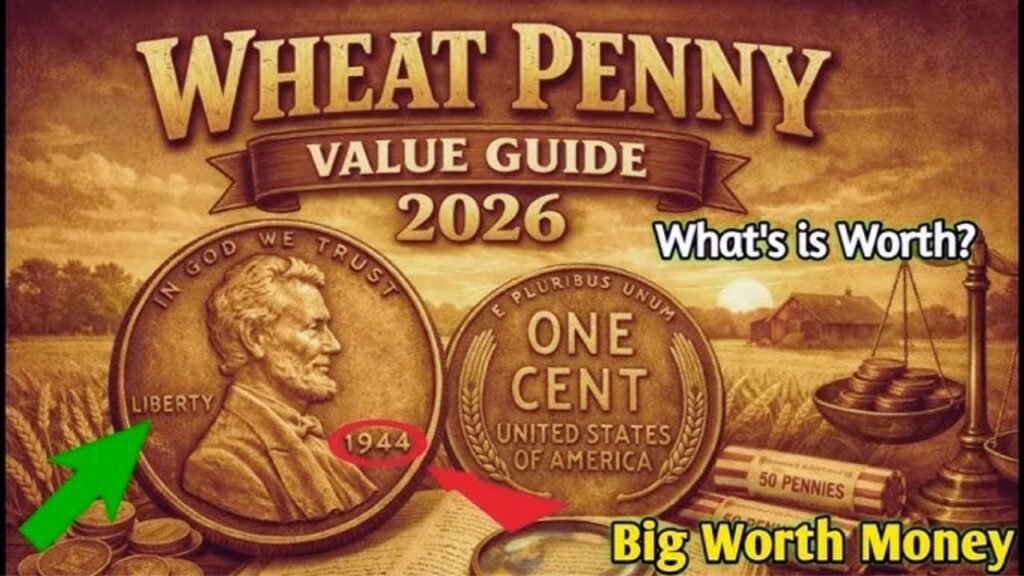
Wheat pennies (Lincoln cents minted 1909–1958) remain one of the most popular and accessible series in U.S. coin collecting. Over the past decade (roughly 2015 to 2025/early 2026), their values have shown steady overall appreciation, especially for better-preserved examples, key dates, and dramatic errors. While common circulated coins have increased only modestly due to inflation and collector interest, high-grade and rare pieces have posted much stronger gains as top survivors become scarcer and demand rises.
Below is a clear comparison of approximate market values then vs now for the most important categories. Prices reflect typical auction/realized figures for PCGS/NGC-graded coins in major holders.
Common-Date Wheat Pennies (High-Mintage Years: 1934–1958)
These make up the vast majority of wheat cents found in circulation or old jars.
| Condition | Grade Example | Approx. Value ~2015 | Approx. Value 2025/2026 | Change |
|---|---|---|---|---|
| Circulated (worn) | Good–Very Fine | 3–15 cents | 10–50 cents | 3–4× |
| Choice Uncirculated | MS-63 Red | $0.50–$3 | $2–$10 | 3–5× |
| Gem Uncirculated | MS-65+ Red | $5–$25 | $20–$100+ | 4–6× |
The biggest driver for common dates has been the near disappearance of crisp, original Red coins from circulation finds and the growing number of collectors filling date sets.
Key-Date & Semi-Key Wheat Pennies
Low-mintage or conditionally rare dates have seen the strongest percentage gains.
| Date & Mint | Grade | Approx. Value ~2015 | Approx. Value 2025/2026 | Approx. % Increase |
|---|---|---|---|---|
| 1909-S VDB | MS-65 Red | $2,000–$2,800 | $4,000–$6,500+ | 100–150% |
| 1914-D | MS-64 Red | $3,000–$4,500 | $7,000–$12,000 | 100–200% |
| 1922 No “D” | VF–XF | $500–$1,200 | $1,200–$3,000 | 100–200% |
| 1931-S | MS-65 Red | $150–$300 | $400–$800 | 150–200% |
| 1955 Doubled Die | MS-63+ Red | $1,200–$2,000 | $2,000–$4,000 | 80–150% |
High-grade Red examples of these keys have consistently outperformed the broader coin market over the decade.
Major Error & Variety Coins
The most dramatic increases have occurred among famous errors.
| Error / Variety | Grade | Notable Sale ~2015 | Notable Sale 2021–2025 | Increase |
|---|---|---|---|---|
| 1943 Bronze (any mint) | MS-63+ | $100,000–$300,000 | $372,000–$840,000 | 2–8× |
| 1944 Steel (any mint) | MS-63+ | $75,000–$200,000 | $200,000–$408,000 | 2–5× |
| 1958 Doubled Die Obverse | MS-64+ Red | $2,000–$5,000 | $8,000–$20,000+ | 3–5× |
These transitional and wrong-planchet errors remain among the most valuable small-denomination U.S. coins ever.
Why Have Wheat Penny Values Risen Overall?
- Scarcity of high-grade survivors — Many nice coins have been locked away in collections or graded and removed from circulation.
- Strong collector demand — Easier online access (eBay, Heritage, GreatCollections) and social media have brought younger buyers into the hobby.
- Inflation & copper value — Melt value of pre-1982 cents provides a rising floor (currently ~2.5–3 cents melt).
- Professional grading — PCGS and NGC encapsulation gives confidence and liquidity, pushing premiums higher for certified coins.
Common circulated wheat pennies remain very affordable (most still under $1 in low grades), but the gap between average pieces and premium/certified examples has widened significantly.
Quick Tips for Checking Your Wheat Pennies
- Look under the date for the mint mark (S = San Francisco, D = Denver, no mark = Philadelphia).
- Check for famous errors: 1943 should be bronze (not steel), 1955 doubled die shows obvious doubling on “LIBERTY” and “IN GOD WE TRUST.”
- Store coins in 2×2 flips or slabs to preserve condition.
- For potentially valuable pieces, consider professional grading (PCGS or NGC).
Wheat pennies combine history, affordability, and solid long-term appreciation—making them one of the most rewarding series for both casual collectors and serious investors.
Frequently Asked Questions
Have most wheat pennies gone up in value since 2015?
Yes—common circulated coins are worth 3–5× more, while key dates, high-grade Red pieces, and major errors have often doubled, tripled, or more.
Are common wheat pennies worth anything today?
Circulated examples of most dates are now 10–50 cents each (up from 2–15 cents a decade ago). Uncirculated coins fetch several dollars or more.
Which wheat pennies increased the most?
1943 Bronze errors, high-grade 1909-S VDB, 1914-D, 1922 No D, and 1955 Doubled Die have seen the largest percentage gains.
Should I get my wheat pennies graded?
Only if they are key dates, suspected errors/varieties, or in exceptional uncirculated condition. Grading fees usually aren’t worth it for common circulated coins.
Where can I see current values?
Check recent auction results on Heritage Auctions, GreatCollections, eBay “sold” listings, or PCGS/NGC price guides for the most accurate real-time data.